Stanley · Traffic / Clicks · Warm / consideration · August 2026 · By Taylor Sicard
Stanley ad teardown: Ai shopping pdp
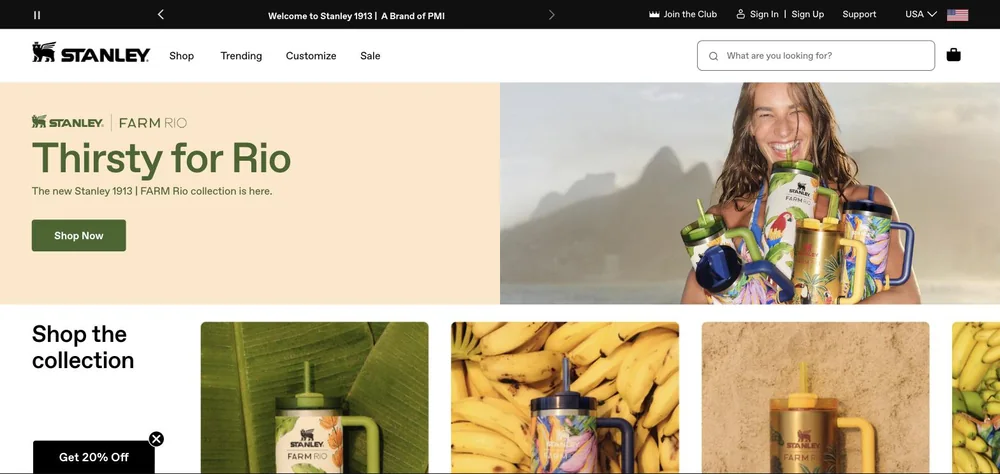
The notable work is on the page, not the ad: a PDP written to be parsed by an assistant answering a shopping question.
“Product pages restructured for AI shopping assistants as much as for people.”
Ad creative not captured
No ad is set beside this page because this entry is about the page. It reads how the product page is structured for AI shopping assistants and never identifies an ad, and the 20 Stanley ads captured for it are ordinary product-launch statics for the Vitalize Collection, the Flowstate bottle and the Quencher tumbler. The read below is of the landing page on its own.
The read
Pilothouse's teardown focuses on the landing side. As assistants increasingly mediate product discovery, the page has two readers with different needs: a human scanning for reassurance, and a model extracting attributes to compare. Stanley's PDP is structured for both.
What the ad does
- A specification an assistant can quote is worth more than one it has to infer. Capacity, material and lid type sit in the photography today, and a model comparing one tumbler against another cannot read a lifestyle image the way a person can. Writing those attributes out as text is the whole of the change.
- The same work serves both readers at once. Nothing on the page is a separate machine-readable layer, so a PDP that answers a question precisely pays off for a paid click and for an assistant's summary with one edit. That is why the interesting decision here sits on the landing side rather than in the creative.
Objective fit
Traffic. This entry is included specifically because the interesting decision sits on the landing side of the handoff.
Stanley ran this traffic campaign to the landing page below, captured August 2026. The notable work is on the page, not the ad: a PDP written to be parsed by an assistant answering a shopping question. Because this entry analyses a pattern across the brand's whole account rather than one creative, and no single ad exists to set beside the page, the entry carries no handoff rating: a rating measures the distance between two artefacts and only one of them is here.
- A specification an assistant can quote is worth more than one it has to infer. Capacity, material and lid type sit in the photography today, and a model comparing one tumbler against another cannot read a lifestyle image the way a person can.
- The same work serves both readers at once. Nothing on the page is a separate machine-readable layer, so a PDP that answers a question precisely pays off for a paid click and for an assistant's summary with one edit.
- What to fix: Keep the personality on the page while the attribute text goes in: a spec sheet written for extraction can strip out the voice that converts the person actually reading it.
Landing page captured by Taylor Sicard, 2026-08-20; no ad creative captured. Screenshots reproduced for commentary and criticism.
Tagged
- Objective
- Traffic / Clicks
- Funnel
- Warm / consideration
- Format
- Static imageDemo / product-in-use
- Placement
- Meta feed
- Category
- Home & Household
- Mechanic
- SpecificityCategory educationObjection handling
- Kind
- Destination only, ad not captured
- Brand
- Stanley
Specificity is #2 of 21 ranked mechanics, on 83 pairs. See where specificity ranks
How this was evidenced
- Evidence
- Ad not captured The landing page was captured, but the ad creative could not be found in the Ad Library, so there is no pair and no rating.
- Ad creative
- Not captured. No ad is set beside this page because this entry is about the page. It reads how the product page is structured for AI shopping assistants and never identifies an ad, and the 20 Stanley ads captured for it are ordinary product-launch statics for the Vitalize Collection, the Flowstate bottle and the Quencher tumbler. The read below is of the landing page on its own.
- Destination
- https://stanley1913.com Captured August 2026. Advertisers change their ads and pages continuously, so the live page may differ from the capture above. That is expected, and the capture is the record.
What to fix
Keep the personality on the page while the attribute text goes in: a spec sheet written for extraction can strip out the voice that converts the person actually reading it. Check every change against a human reader first, since only one of the two audiences can abandon a cart.
Across every brand: the 6 ways a handoff breaks · persuasion mechanics, ranked by how often the page keeps the promise.
The same play elsewhere
Same category education, different brands.
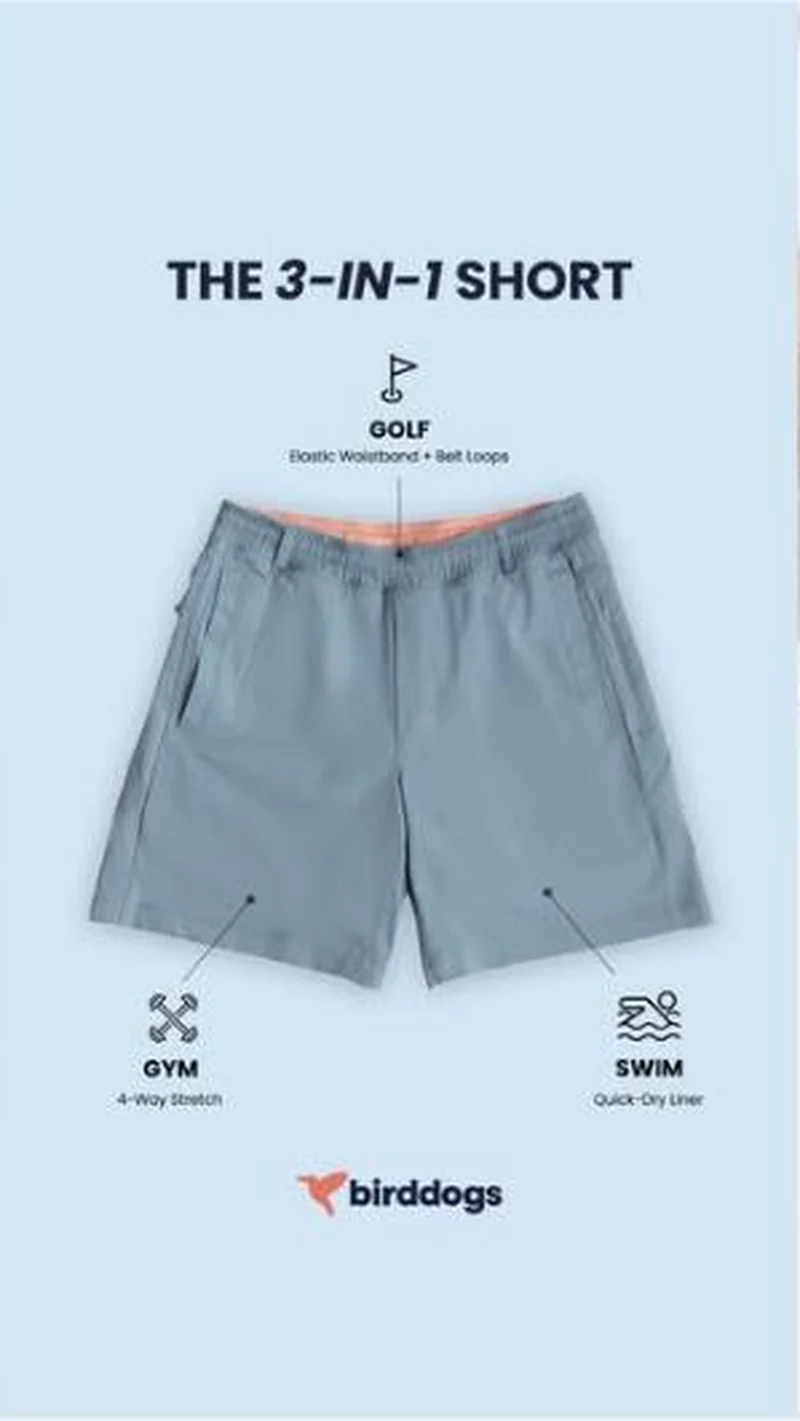 Birddogs The one calm ad in a loud account, an annotated spec sheet that finally says what the product is, shipped with the brand's own typo in the copy.
 Quince The same consumer value argument, aimed at buyers who purchase by the case and signed up rather than checked out.
 Chomps The one ad in the account that does not want your order, it wants you to walk into Target, and it hands the click and the customer to the retailer.
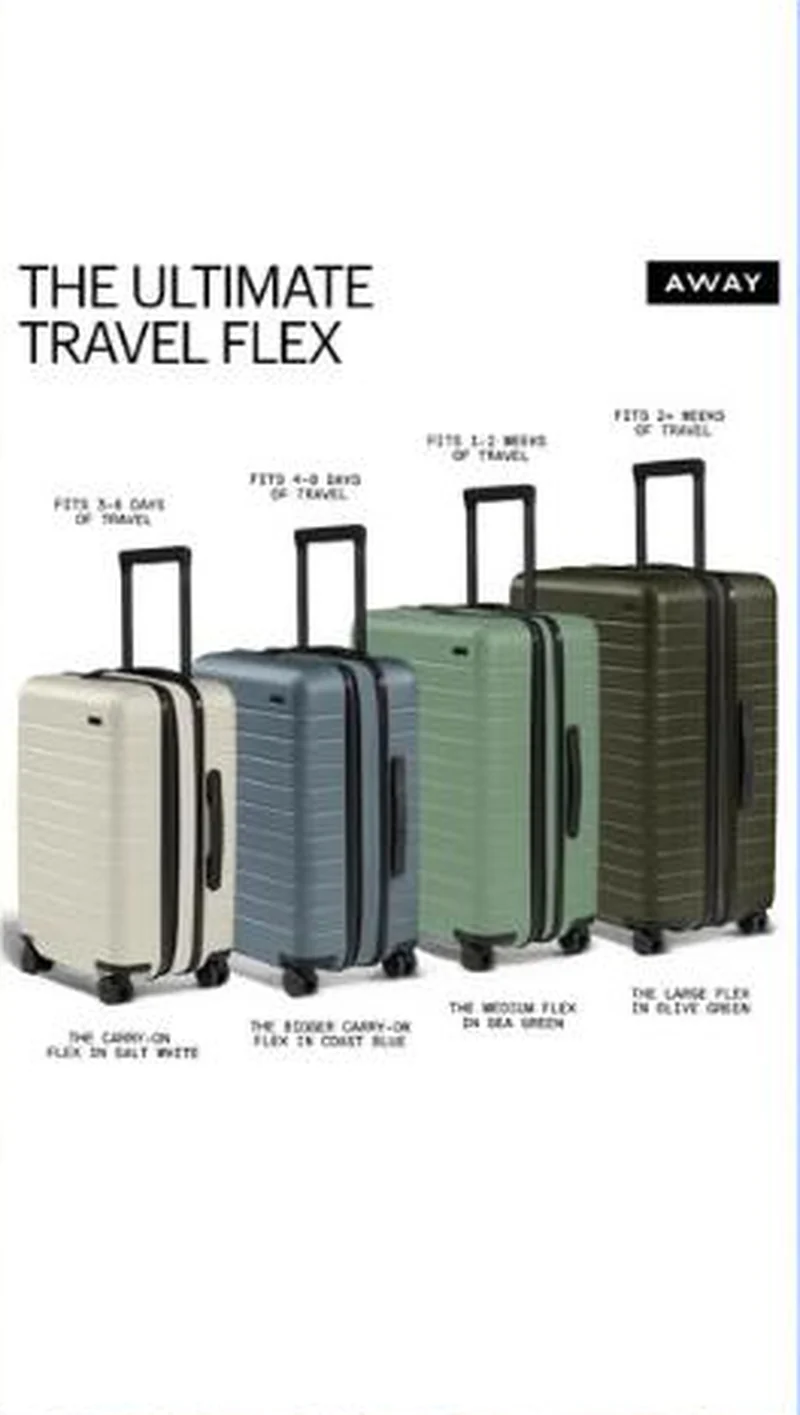 Away A four size Flex lineup lands on the matching collection, but the page leads with a bundle discount and buries the expandability at the foot.
Does your own handoff survive the click?
This is the same read I run on live funnels: the ad, the page, and the gap between them. Scored, free, no call required.
Audit my store freeNew teardowns as they land, in Commerce Dispatch: the ad, the page it clicked to, and what the gap cost. Same free newsletter as the footer, no separate list.
Back to The Handoff, the full library of 253 teardowns, 226 of them ad and page pairs, filterable by objective, funnel stage, format, placement, category and persuasion mechanic.
Read next: the 5 landing page shapes these ads land on, drawn from every pair in this library.
Stanley is named here solely to identify the advertising being analysed. Brand names and marks are the property of their respective owners. No brand shown has any affiliation with, or has endorsed, Taylor Sicard Consulting.