Quince · Lead Gen · Cold / prospecting · August 2026 · Handoff: Partial · By Taylor Sicard
Quince ad teardown: Business trade program
The same consumer value argument, aimed at buyers who purchase by the case and signed up rather than checked out.
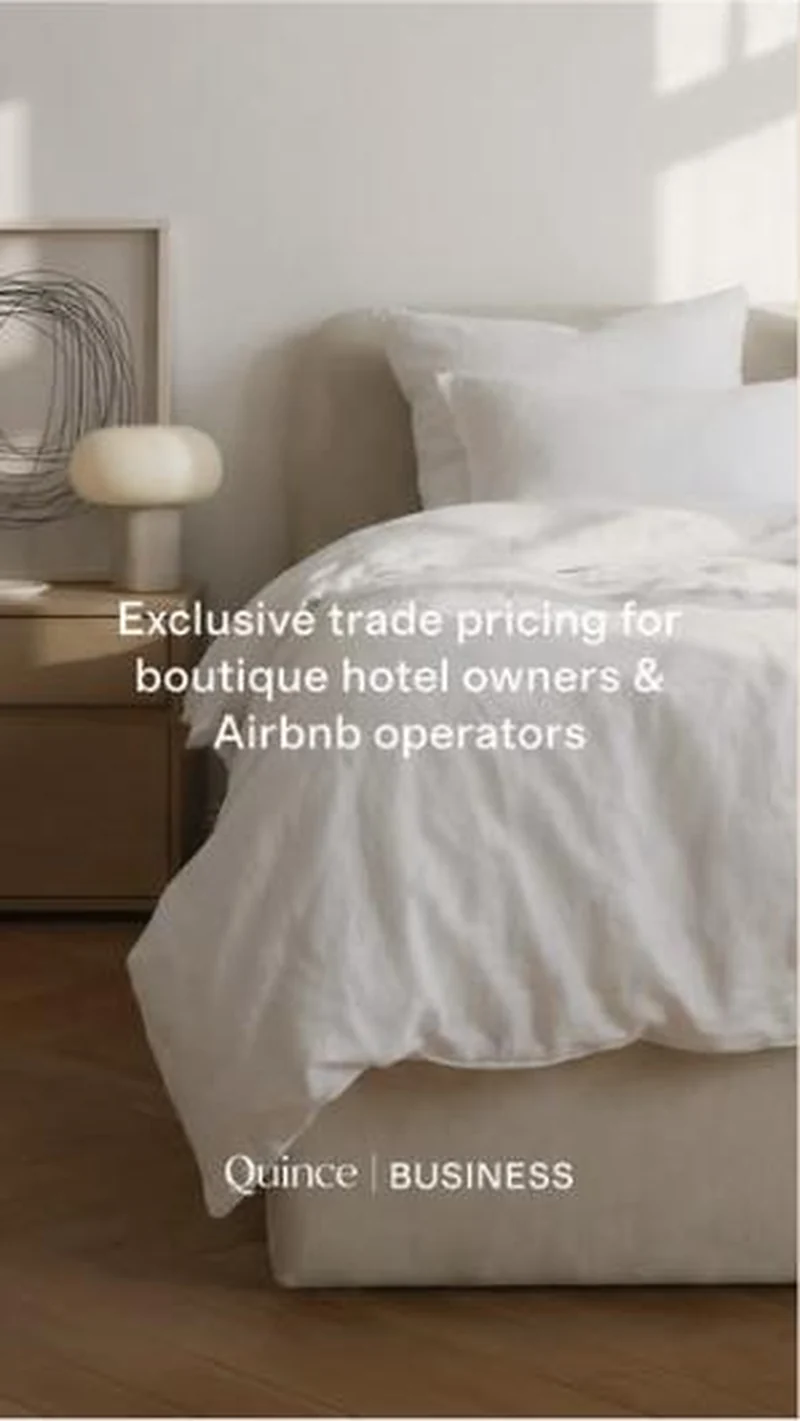
“Exclusive trade pricing for boutique hotel owners & Airbnb operators”
Handoff: Partial
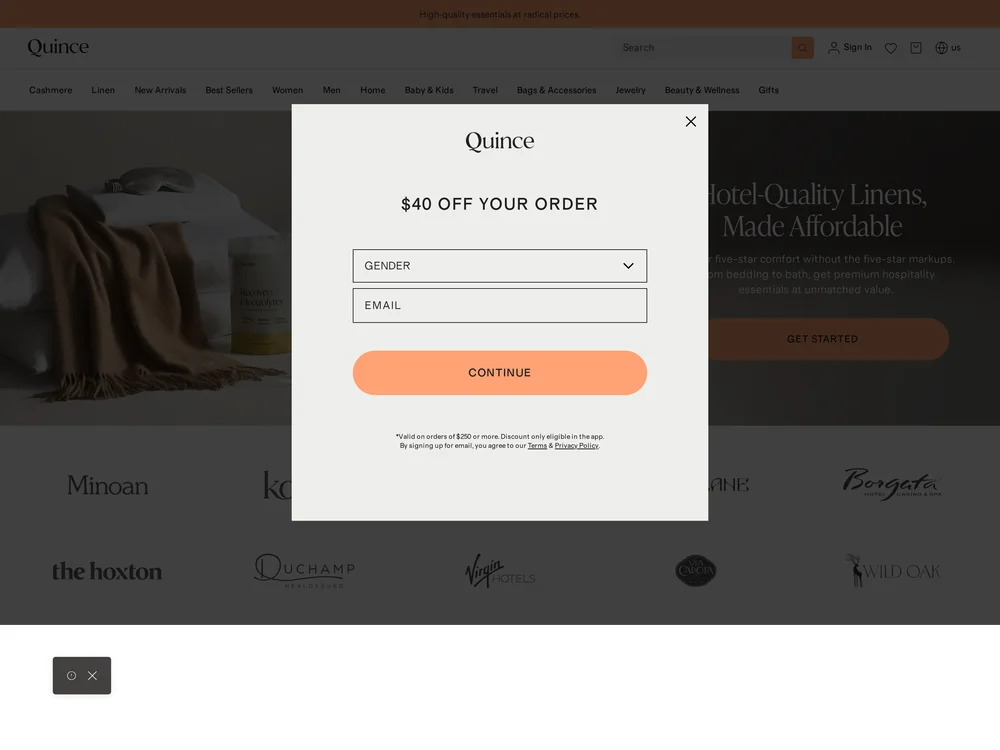
Rated on the first view of quince.com/business/hospitality, signed out, captured 2026-08-29. The trade promise itself survives the click: the hero reads "Hotel-Quality Linens, Made Affordable" over a dek promising "five-star comfort without the five-star markups", which is the ad's own value argument repriced for a hospitality buyer, and the GET STARTED button sits clear of the overlay to the right. What the reader has to reconcile is the offer. A centred email-capture modal covers the middle of the hero with "$40 OFF YOUR ORDER", a GENDER dropdown, and fine print reading "*Valid on orders of $250 or more. Discount only eligible in the app." That is the consumer funnel: an app-only discount on a $250 basket, put in front of a boutique hotel owner who clicked an ad about trade pricing and buys by the case. The ad made no such offer, and a gender field is not a question a trade application asks. Partial rather than Break because the promise stays identifiable behind the modal and the signup is one dismissal away; Partial rather than Continuous because the first thing the page does is argue a different offer at a different buyer.
The read
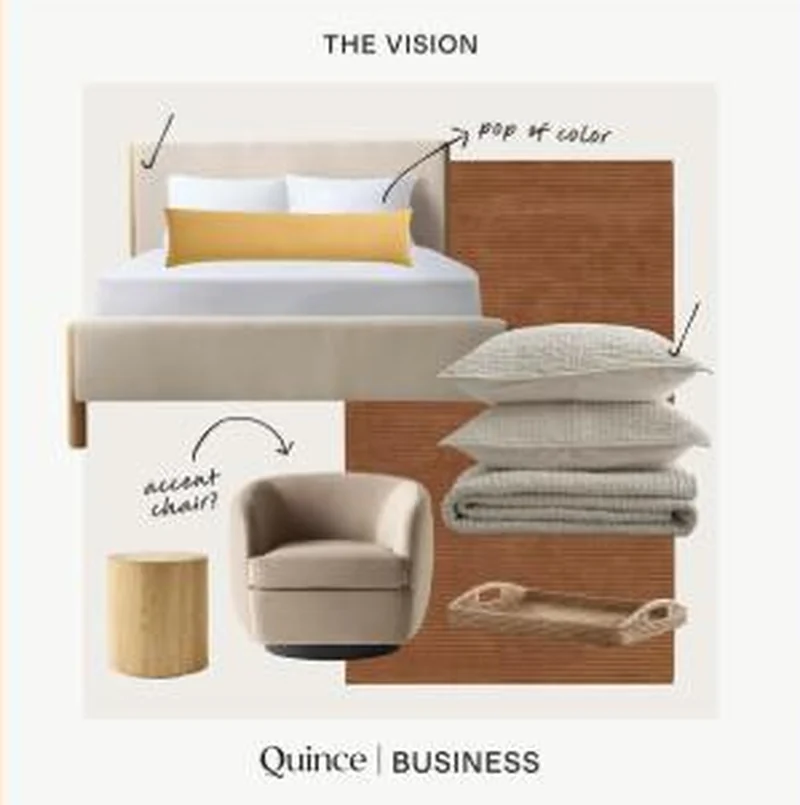
Two ads in this sweep carry a Quince | BUSINESS lockup instead of the consumer wordmark and a Sign Up call to action instead of Shop Now. This one is a sunlit hotel bedroom in white linen, addressed by name to boutique hotel owners and Airbnb operators, running since 22 June 2026. The sibling ad is a near-square interior design mood board headed THE VISION with handwritten annotations, aimed at design professionals placing residential and commercial orders. Both point at a /business subdirectory rather than a product page, and both sell trade pricing rather than a specific item.
What the ad does
- The audience is named on the creative. "Exclusive trade pricing for boutique hotel owners" and Airbnb operators does the qualifying before the click, which matters when the account is otherwise buying broad consumer reach on the same page.
- The value argument survives the audience change. Consumer Quince argues no luxury markup; the hospitality page argues "five-star comfort without the five-star markups". Same claim, repriced for a buyer who is calculating cost per room.
- Sign Up instead of Shop Now changes the whole economics. A trade account is a repeat wholesale relationship, so the acceptable acquisition cost is not the one the consumer catalogue is optimised against. Running both objectives on one page ID means the mix has to be read separately or the blended numbers mislead.
Objective fit
Lead Gen. The call to action is Sign Up and the destination is a trade program application rather than a cart, so the conversion event is an account, not an order. Revenue arrives later and at a different order size.
Quince ran this lead gen creative to the landing page it clicked through to, both captured August 2026. The same consumer value argument, aimed at buyers who purchase by the case and signed up rather than checked out. Read as a pair, the handoff rates partial.
- The audience is named on the creative. "Exclusive trade pricing for boutique hotel owners" and Airbnb operators does the qualifying before the click, which matters when the account is otherwise buying broad consumer reach on the same page.
- The value argument survives the audience change. Consumer Quince argues no luxury markup; the hospitality page argues "five-star comfort without the five-star markups". Same claim, repriced for a buyer who is calculating cost per room.
- Sign Up instead of Shop Now changes the whole economics. A trade account is a repeat wholesale relationship, so the acceptable acquisition cost is not the one the consumer catalogue is optimised against.
- Where the handoff lands: Rated on the first view of quince.com/business/hospitality, signed out, captured 2026-08-29.
- What to fix: Two creatives is not a program.
Ad captured by Taylor Sicard 2026-08-19, landing page 2026-08-29. Screenshots reproduced for commentary and criticism.
Tagged
- Objective
- Lead Gen
- Funnel
- Cold / prospecting
- Format
- Static image
- Placement
- Meta feedInstagram stories
- Category
- Apparel & Accessories
- Mechanic
- Identity appealObjection handlingCategory educationSpecificity
- Handoff
- Partial
- Brand
- Quince
Identity appeal is #1 of 21 ranked mechanics, on 110 pairs. See where identity appeal ranks
How this was evidenced
- Evidence
- Pair captured The ad and the page it clicked through to were both captured first-hand, and the destination recorded is the page the ad pointed at.
- Ad creative
- Captured August 2026
- Destination
- Removed since capture. Destination no longer resolves to the page this teardown is about.
- Ad Library
- Ad ID 2455535664948810
Variants of the same system (1)
The trade program runs one creative per vertical, hospitality and interior design, with the same Quince | BUSINESS lockup and the same Sign Up call to action. Observed 2026-08-19.
What to fix
Two creatives is not a program. If the trade funnel has no dedicated pixel event, no separate campaign budget and no follow-up sequence for applicants, these ads will be judged against direct-to-consumer purchase efficiency and quietly turned off. That is the standard way a B2B test dies inside a consumer account.
One of 40 pairs where a popup is the landing page. See the pattern · See all 40
More from Quince (1)
The same play elsewhere
Same category education, different brands.
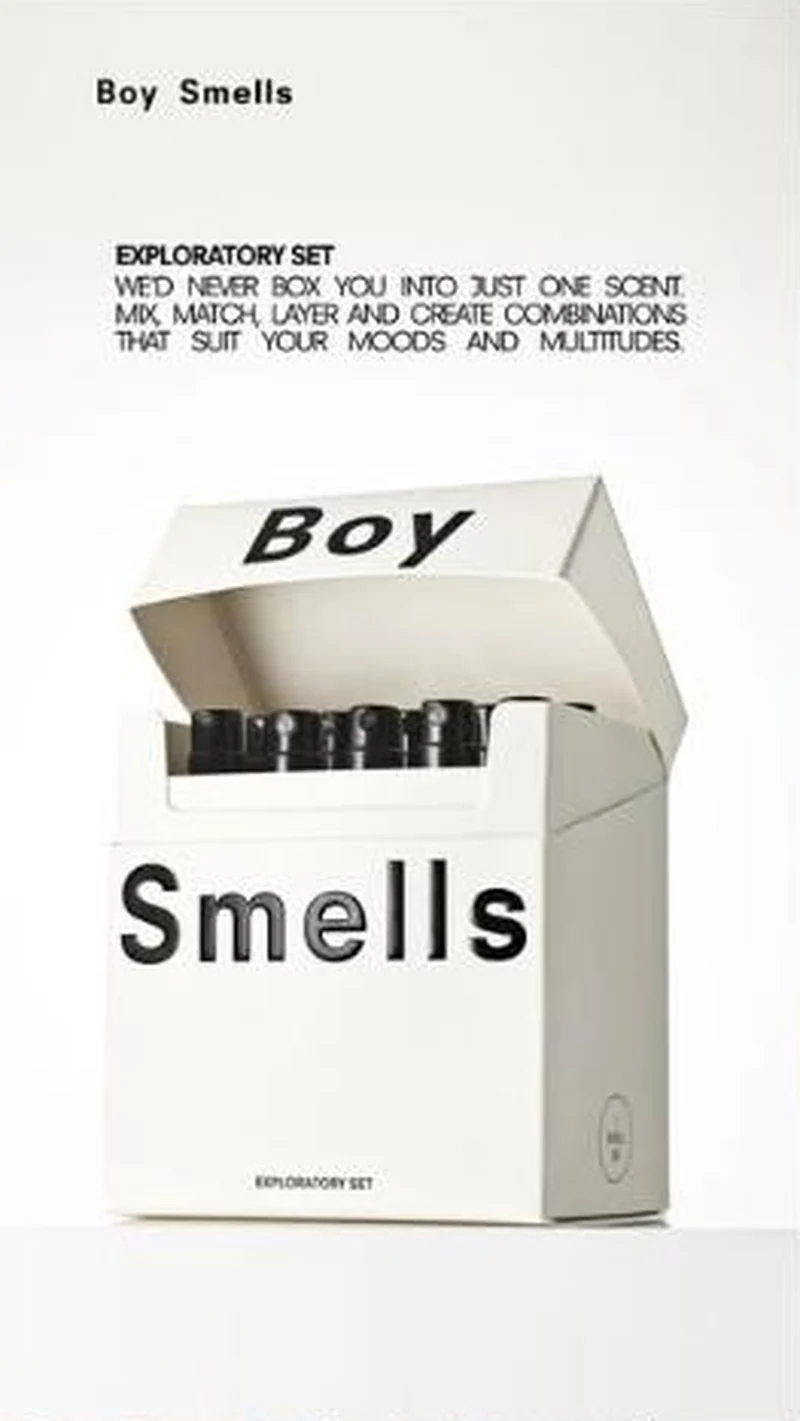 Boy Smells A one scent objection ad reaches the right sampler set, then a 15 percent modal and an empty cart drawer cover the price.
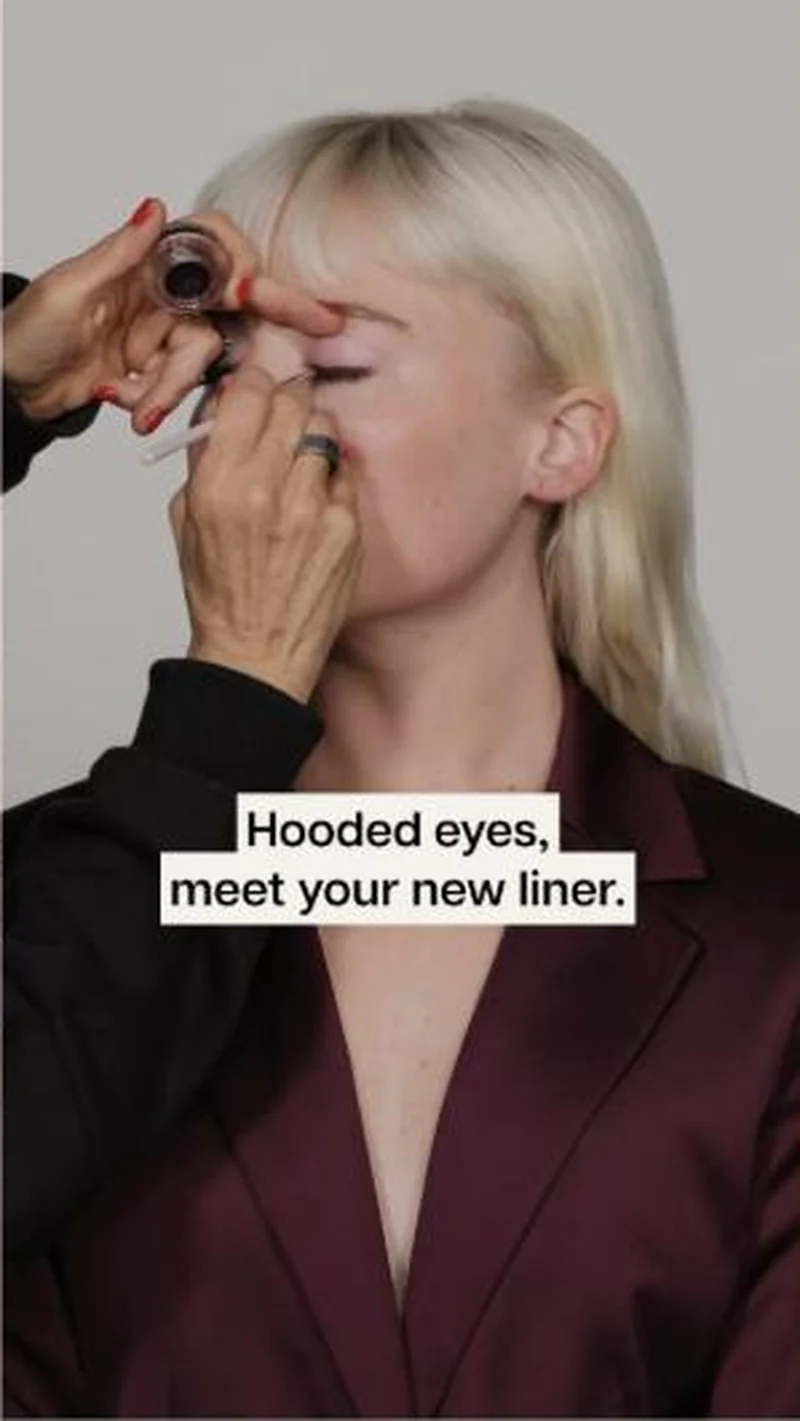 Jones Road A hooded eye application demo lands on the Gel Liner page in Navy at $32, where neither the copy nor the FAQ mentions eye shape at all.
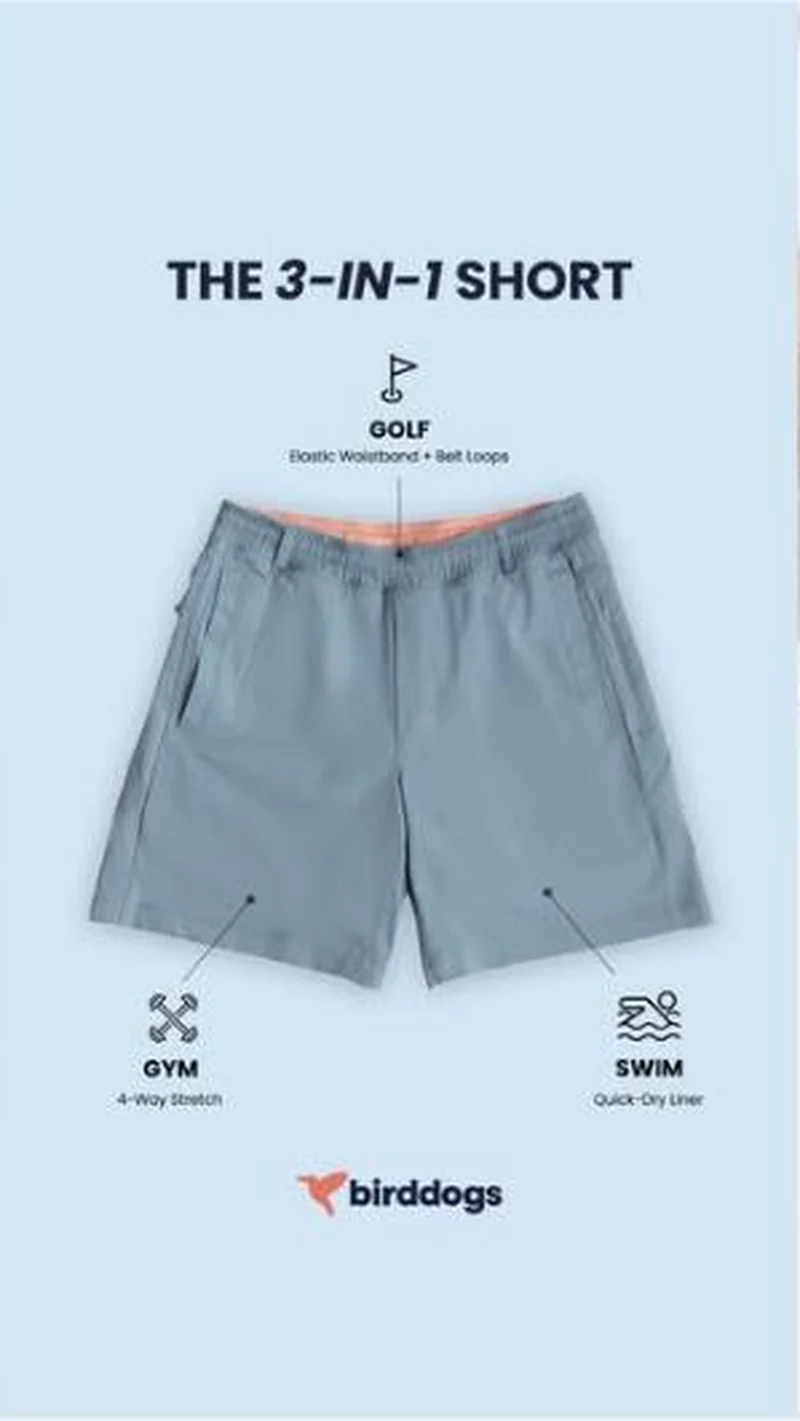 Birddogs The one calm ad in a loud account, an annotated spec sheet that finally says what the product is, shipped with the brand's own typo in the copy.Traffic / ClicksStanley The notable work is on the page, not the ad: a PDP written to be parsed by an assistant answering a shopping question.
Does your own handoff survive the click?
This is the same read I run on live funnels: the ad, the page, and the gap between them. Scored, free, no call required.
Audit my store freeNew teardowns as they land, in Commerce Dispatch: the ad, the page it clicked to, and what the gap cost. Same free newsletter as the footer, no separate list.
Back to The Handoff, the full library of 253 teardowns, 226 of them ad and page pairs, filterable by objective, funnel stage, format, placement, category and persuasion mechanic.
Read next: what breaks, across every rated pair, drawn from every pair in this library.
Quince is named here solely to identify the advertising being analysed. Brand names and marks are the property of their respective owners. No brand shown has any affiliation with, or has endorsed, Taylor Sicard Consulting.