Dermalogica · Conversion / Purchase · Warm / consideration · August 2026 · Handoff: Partial · By Taylor Sicard
Dermalogica ad teardown: Ulta sephora retail routing
A block of live creatives sends paid clicks to Ulta and Sephora product pages instead of dermalogica.com, and the same products run to both destinations at once.
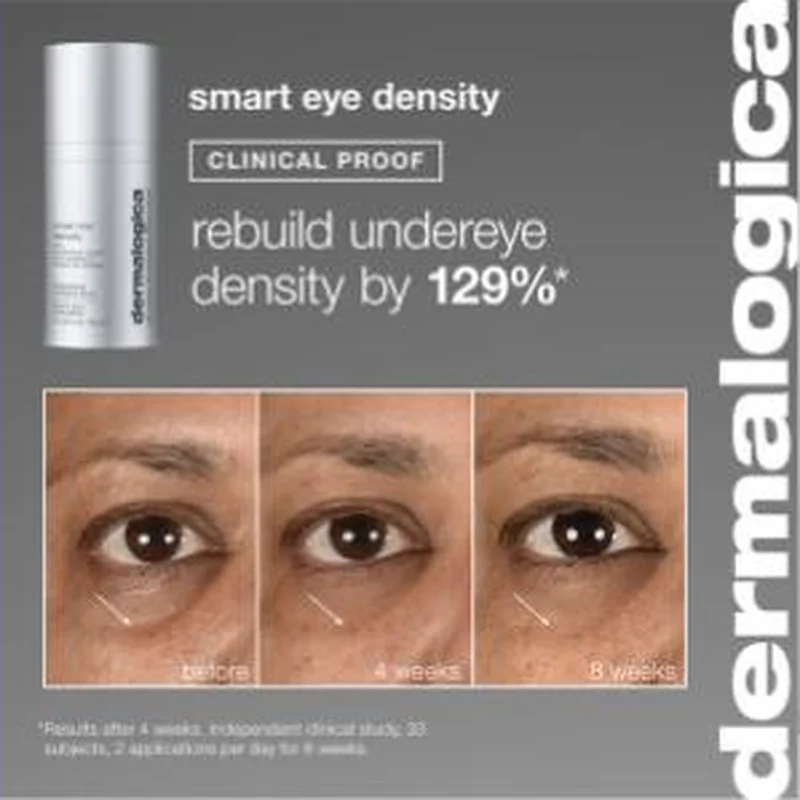
“CLINICAL PROOF / rebuild undereye density by 129%*”
Handoff: Partial
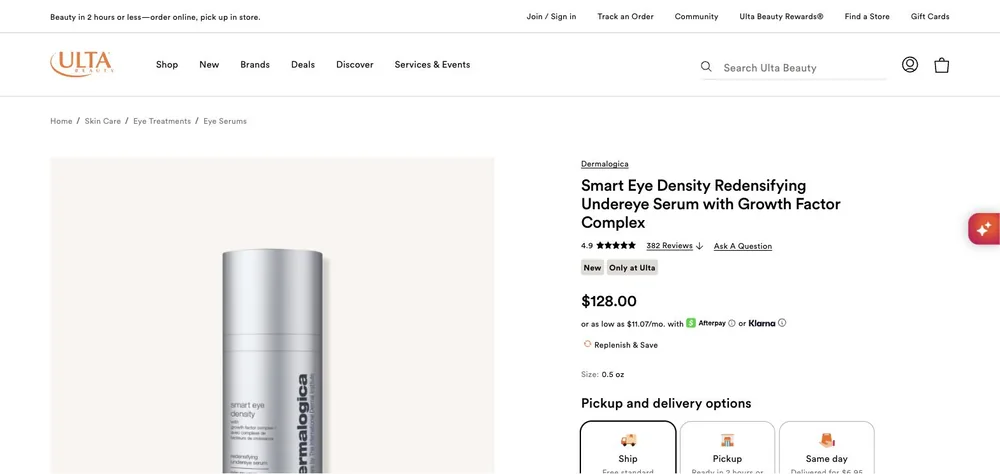
The ad's whole argument is one number, "CLINICAL PROOF" over "rebuild undereye density by 129%*", with a before, 4 weeks, 8 weeks eye strip beneath it. Neither the phrase clinical proof nor the figure 129% appears on the Ulta page, and there is no before-and-after; the proof on arrival is crowd-sourced, 4.9 stars from "382 Reviews". The product is right, Smart Eye Density Redensifying Undereye Serum with Growth Factor Complex at $128.00, and the ad carried no price, so the money is consistent. What the retailer routing costs is the headline: the page leads with a SKU title and Ulta's own hooks, "New", "Only at Ulta" and three fulfilment options, in place of the claim that earned the click.
The read
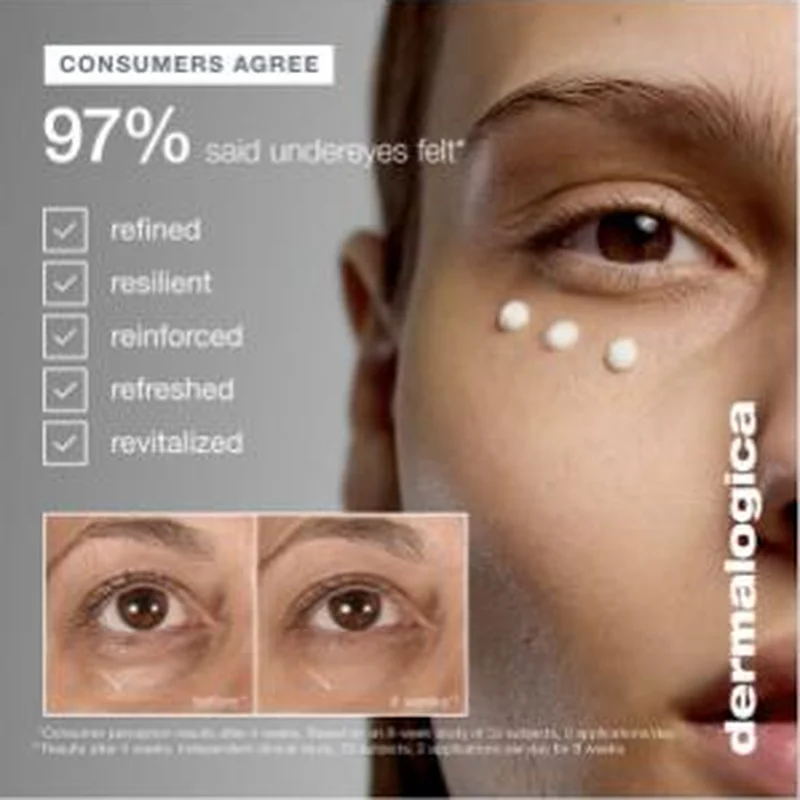
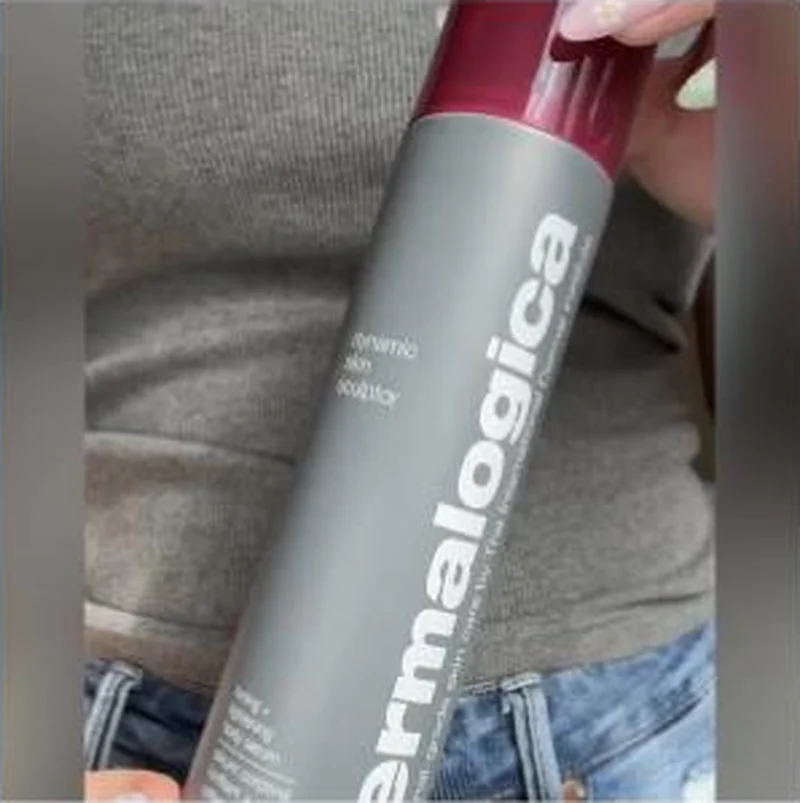
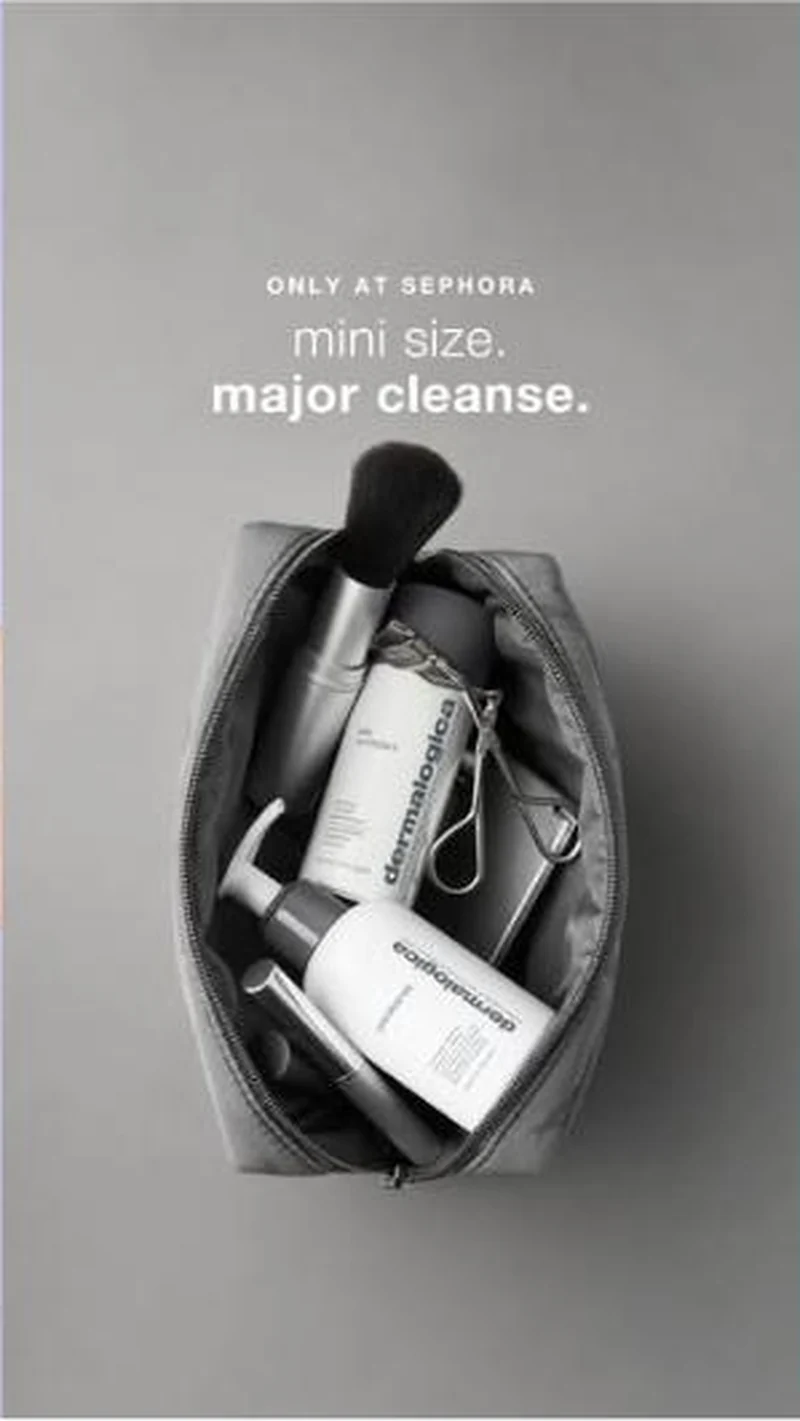
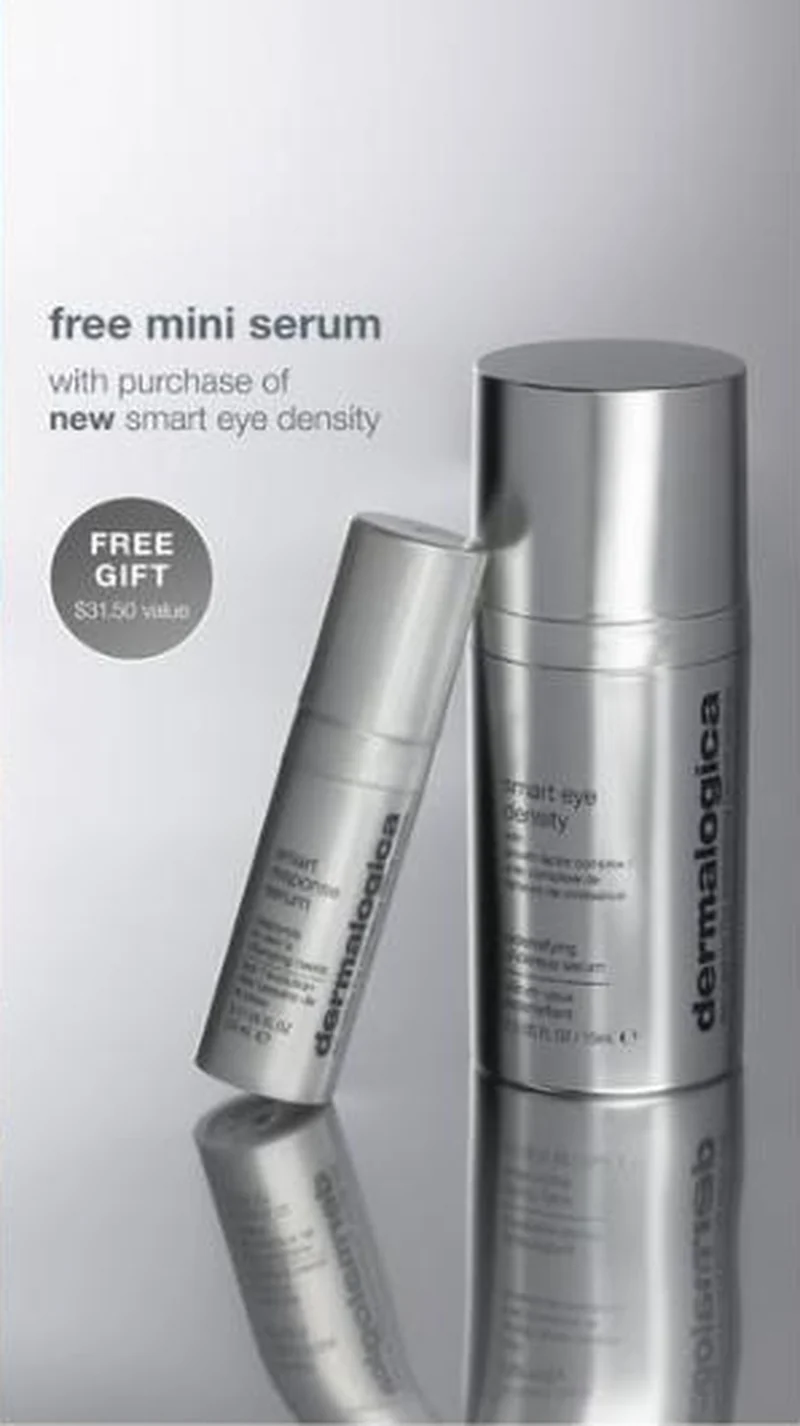
Most of this account runs to dermalogica.com. A distinct block does not. Three creatives point at Ulta and two at Sephora, four unique retailer URLs in total, and they are not leftovers or mistakes. The anchor is a Smart Eye Density static built entirely on clinical furniture: a CLINICAL PROOF box, the claim rebuild undereye density by 129%, and a three panel eye progression labelled before, 4 weeks and 8 weeks, with the caption closing Shop online & in store at Ulta Beauty. A second Ulta creative carries a consumers agree 97% checklist reading refined, resilient, reinforced. The Sephora pair is different in kind: one is a Dynamic Skin Sculptor shot in a plain phone-camera register against a sweater and jeans, the other a Precleanse mini flatlay headed ONLY AT SEPHORA, mini size, major cleanse. The routing is not exclusive by product. Smart Eye Density, Dynamic Skin Sculptor and Daily Microfoliant each run to a retailer page and to a dermalogica.com page in the same window, and the Daily Microfoliant pair uses word for word identical body copy on both destinations, which makes it close to a live destination test.
What the ad does
- The retail route buys a warmer checkout and pays for it in data. An Ulta or Sephora shopper arrives with a loyalty account and stored payment, a real advantage over a cold visit to the brand site. What the brand gives up is the pixel, the email address and any purchase event to optimise toward, because the sale happens where it cannot see.
- Parallel routing is the tell, not exclusivity. Smart Eye Density, Dynamic Skin Sculptor and Daily Microfoliant each run to a retailer page and to a dermalogica.com page in the same window, and the Daily Microfoliant pair uses word for word identical body copy on both. The gift with purchase appears only on the owned route.
- The two Sephora ads were not built by the same hand. They are the only creatives in the capture whose call to action reads "Shop now" in lower case rather than "Shop Now", and the "ONLY AT SEPHORA" static is styled to the retailer's exclusivity convention rather than to Dermalogica's own layout system. That is the signature of retail co-op work.
Objective fit
Conversion / Purchase. The destination is a product page with an add to cart, so the intent is a sale. The measurement is not equivalent to the owned route. Without the brand's own pixel on the retailer page there is no purchase event to optimise toward, so these ad sets are realistically buying on link clicks or landing page views while the owned-site ads buy on revenue. Two blocks with the same stated objective are being graded on different evidence, and only one of them can be graded honestly.
Dermalogica ran this conversion creative to the landing page it clicked through to, both captured August 2026. A block of live creatives sends paid clicks to Ulta and Sephora product pages instead of dermalogica.com, and the same products run to both destinations at once. Read as a pair, the handoff rates partial.
- The retail route buys a warmer checkout and pays for it in data. An Ulta or Sephora shopper arrives with a loyalty account and stored payment, a real advantage over a cold visit to the brand site.
- Parallel routing is the tell, not exclusivity.
- The two Sephora ads were not built by the same hand.
- Where the handoff lands: The ad's whole argument is one number, "CLINICAL PROOF" over "rebuild undereye density by 129%*", with a before, 4 weeks, 8 weeks eye strip beneath it.
- What to fix: Budget and report retail-routed ad sets separately from the owned ones.
Ad captured by Taylor Sicard 2026-08-19, landing page 2026-08-20. Screenshots reproduced for commentary and criticism.
Tagged
- Objective
- Conversion / Purchase
- Funnel
- Warm / consideration
- Format
- Static imageBefore / afterListicle static
- Placement
- Meta feedMeta reelsInstagram stories
- Category
- Beauty & Skincare
- Mechanic
- Objection handlingSpecificityAuthority / expertScarcity / urgency
- Handoff
- Partial
- Brand
- Dermalogica
Specificity is #2 of 21 ranked mechanics, on 83 pairs. See where specificity ranks
How this was evidenced
- Evidence
- Pair captured The ad and the page it clicked through to were both captured first-hand, and the destination recorded is the page the ad pointed at.
- Ad creative
- Captured August 2026
- Destination
- https://www.ulta.com/p/smart-eye-density-redensifying-undereye-serum-with-growth-factor-complex-pimprod2059888 Captured August 2026. Advertisers change their ads and pages continuously, so the live page may differ from the capture above. That is expected, and the capture is the record.
- Ad Library
- Ad ID 1384970630247234
Variants of the same system (5)
Five of the thirty-seven live creatives in this capture route to a retailer rather than to dermalogica.com, across four unique retailer URLs. Three go to Ulta and two to Sephora. Four of the five started 14 August 2026 and the Daily Microfoliant one on 17 July. The two Sephora creatives are the only ads in the account whose call to action is set as Shop now rather than Shop Now. Observed 2026-08-19.

What to fix
Budget and report retail-routed ad sets separately from the owned ones. Neither "CLINICAL PROOF" nor the figure 129% appears on the Ulta page the click buys, where the proof is 4.9 stars from "382 Reviews", and with no brand pixel there is no purchase event to optimise toward, so these sets look cheap per click and return nothing in the revenue column. Price the second risk too: rival serums sit in the rail under the buy box.
One of 44 pairs where the page drops the argument that earned the click. See the pattern · See all 44
Sources
More from Dermalogica (2)
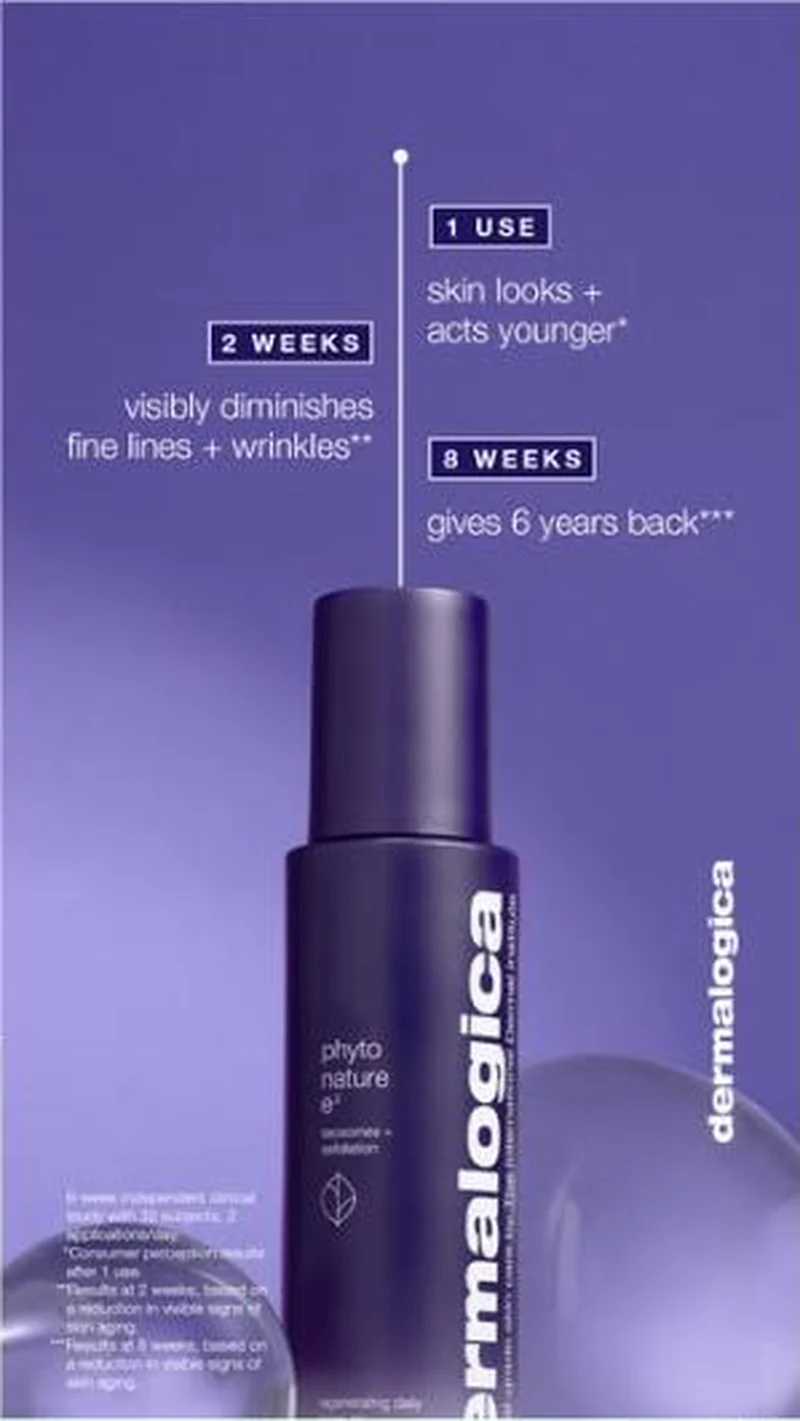 Conversion / PurchaseEleven of thirty-seven live creatives point at one exosome serum, and the whole block argues from a dated clinical timeline rather than from a promise.
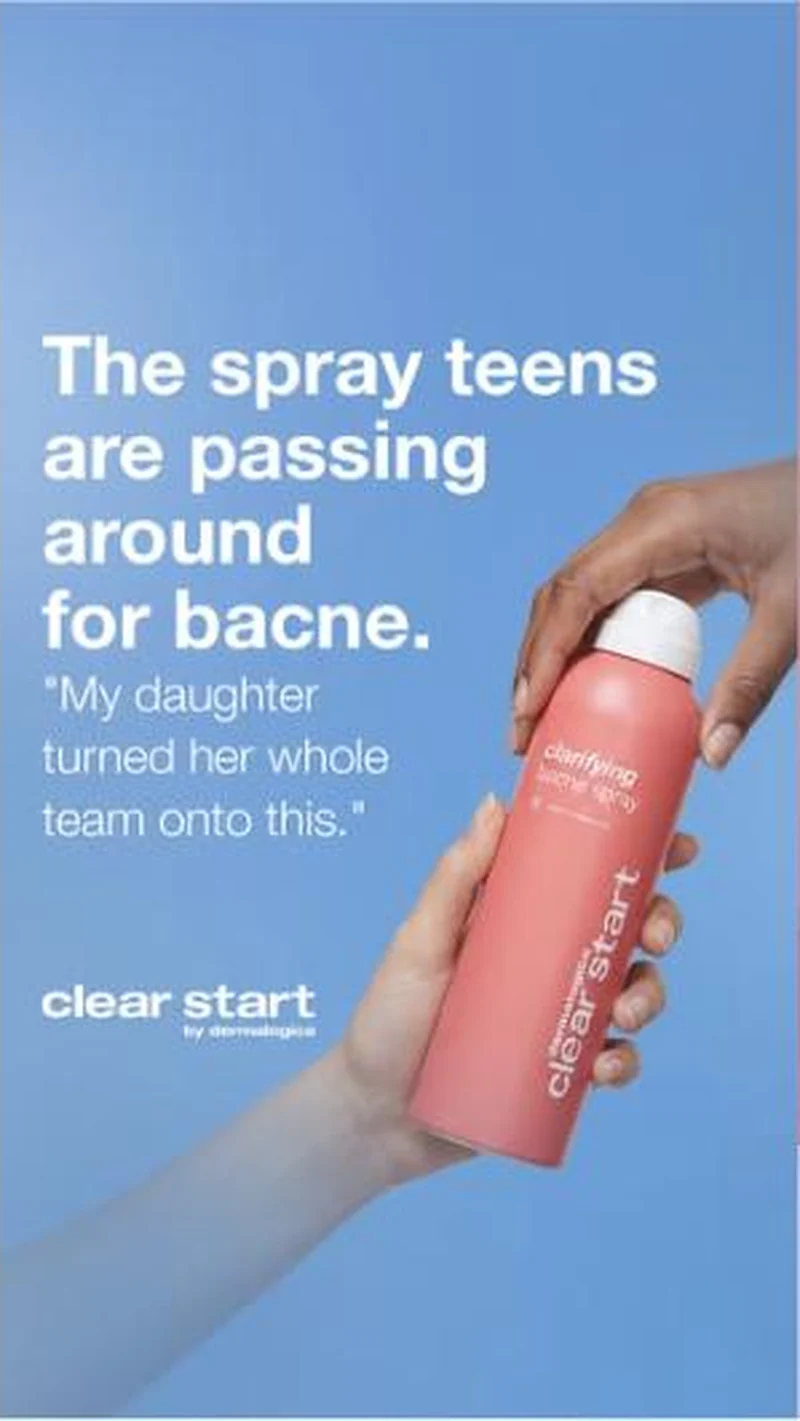 Conversion / PurchaseEvery hook in the Clear Start block is spoken by the person doing the buying, not the person with the breakout.
The same play elsewhere
Same scarcity / urgency, different brands.
 Bremont A monochrome wrist shot with no copy; the page opens on the same Altitude MB Meteor Stealth Grey at $6,600, in stock, same words.
 Chomps A brand that lives in checkout lanes uses the one thing a checkout lane cannot stock, the full twelve-flavor range, as the reason to buy online instead.
 Jones Road Top-of-account by impressions, and the format that replaced scripted UGC.
 Fenty Beauty Fourteen of sixteen live statics route to a product page, and the Gloss Bomb Burst pair proves the routing is set at shade level, not product level.
Does your own handoff survive the click?
This is the same read I run on live funnels: the ad, the page, and the gap between them. Scored, free, no call required.
Audit my store freeNew teardowns as they land, in Commerce Dispatch: the ad, the page it clicked to, and what the gap cost. Same free newsletter as the footer, no separate list.
Back to The Handoff, the full library of 253 teardowns, 226 of them ad and page pairs, filterable by objective, funnel stage, format, placement, category and persuasion mechanic.
Read next: how DTC promotions survive the click, drawn from every pair in this library.
Dermalogica is named here solely to identify the advertising being analysed. Brand names and marks are the property of their respective owners. No brand shown has any affiliation with, or has endorsed, Taylor Sicard Consulting.